What Is a Design System and Why Growing Brands Need One?
A design system turns repeated visual and digital decisions into a shared toolkit, helping growing teams move faster without losing consistency.
A growing brand makes hundreds of small design decisions. Which blue should this button use? How much space belongs between sections? Which logo version works on a dark background? If every person answers independently, inconsistency arrives quickly.
A design system gives the team one shared answer. It connects brand rules, interface components, content patterns, and working guidance so new work feels related without being copied.
More than a component library
A component library is one part of a design system. The full system explains the principles behind the components and how they should be used.
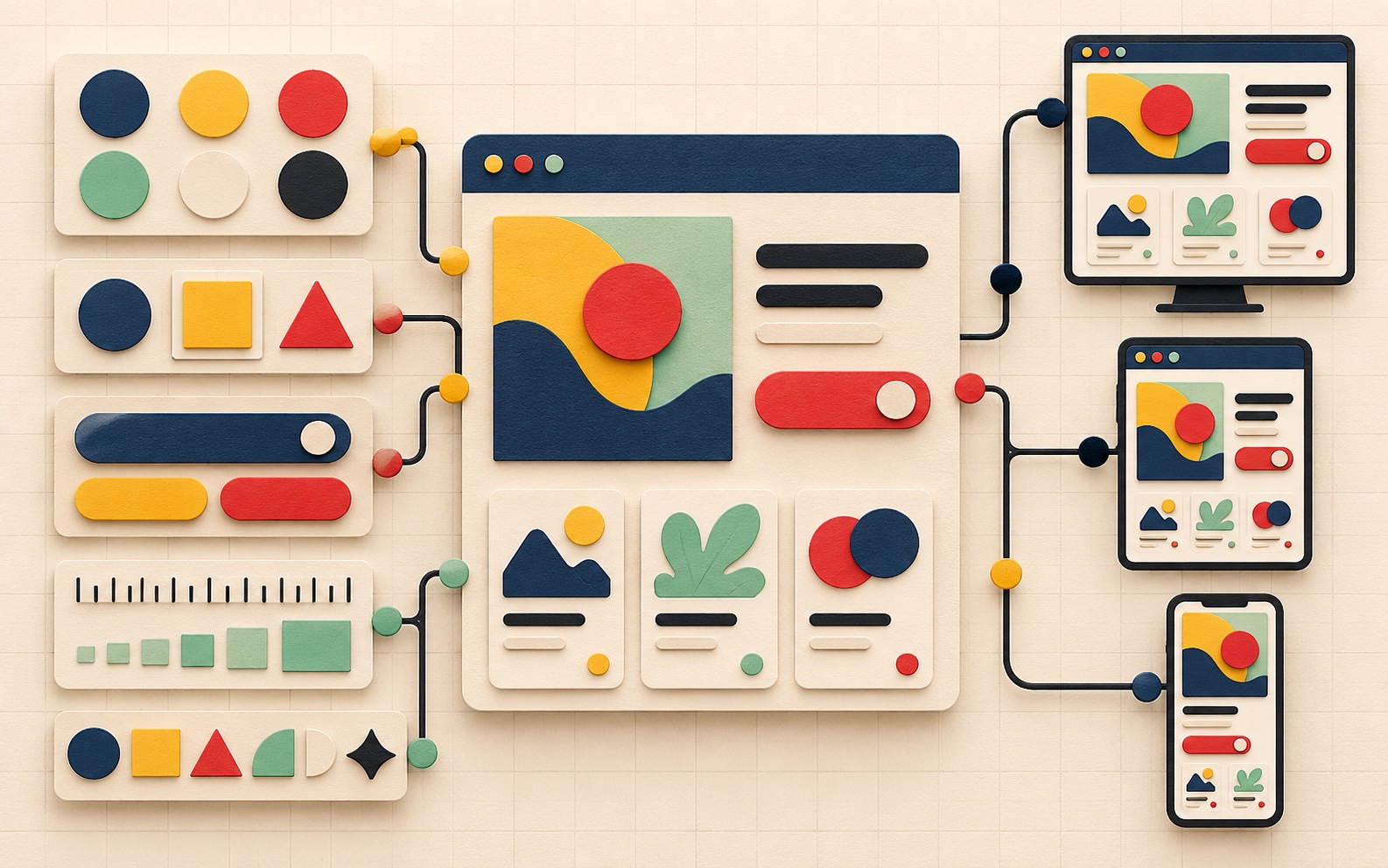
- Brand foundations: colour, typography, imagery, iconography, tone, and motion.
- Design tokens: named values for colour, spacing, type, radius, and elevation.
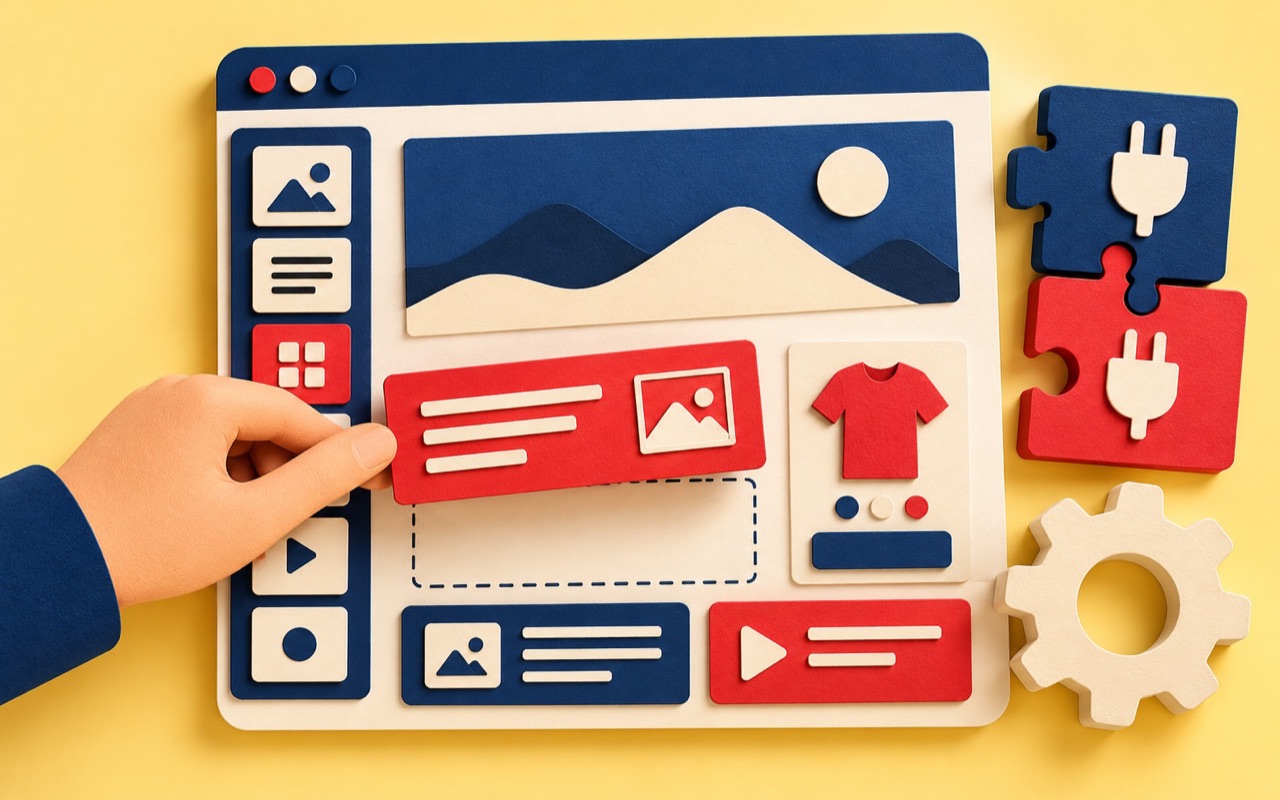
- Reusable components: buttons, forms, navigation, cards, tables, alerts, and page sections.
- Content patterns: labels, error messages, calls to action, dates, and recurring instructions.
- Guidance: accessibility rules, examples, decisions, ownership, and contribution processes.
Signs your brand needs a design system
You may need a system when the same component looks different across pages, designers rebuild common elements, developers interpret mockups differently, or a simple campaign takes too long to launch.
Another signal is scale. Multiple products, markets, languages, agencies, or internal teams create many places where small inconsistencies become expensive.
How a design system creates value
Speed: teams start from tested patterns instead of blank files. Consistency: customers recognise the same brand and behaviour across touchpoints. Quality: accessibility and responsive rules can be solved once and reused. Collaboration: shared names reduce the gap between design, content, and development.
The system should not remove creativity. It should remove repetitive decisions so creativity can focus on the part that is genuinely new.
Start with the patterns you already repeat
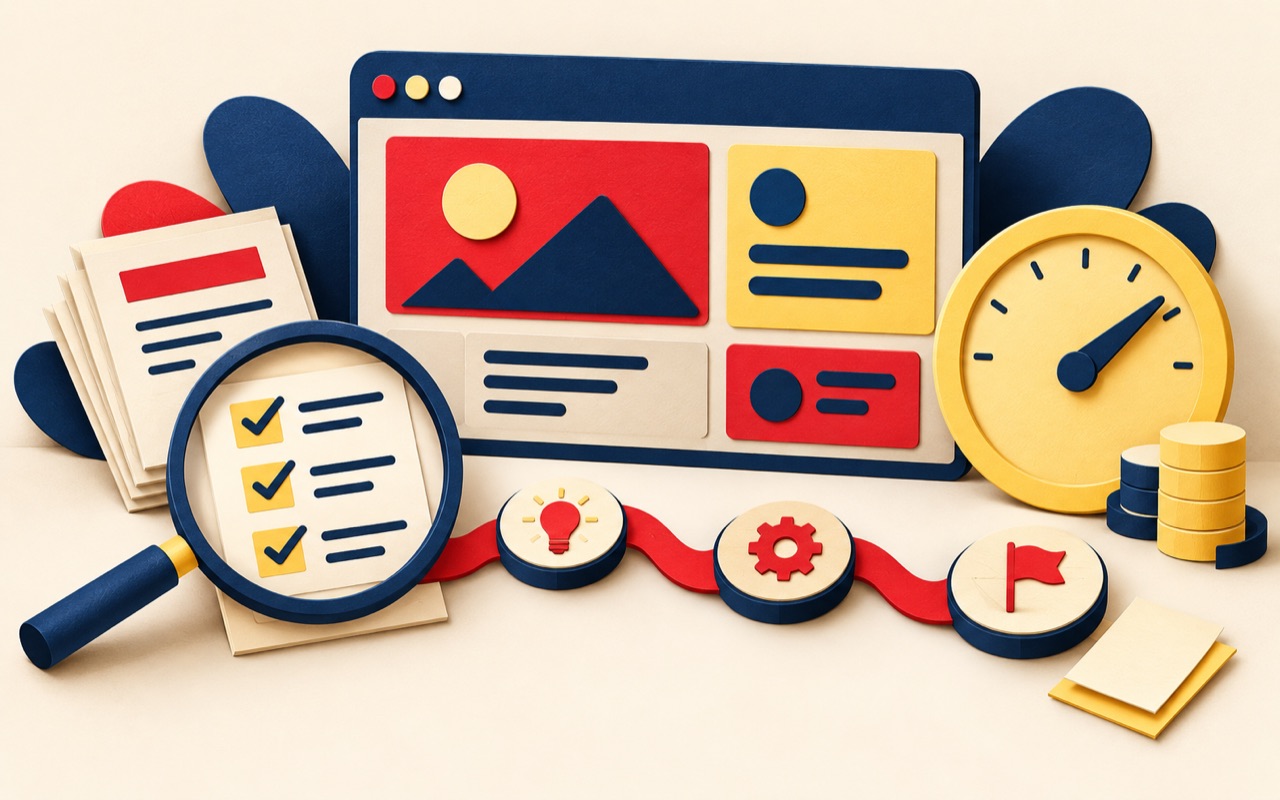
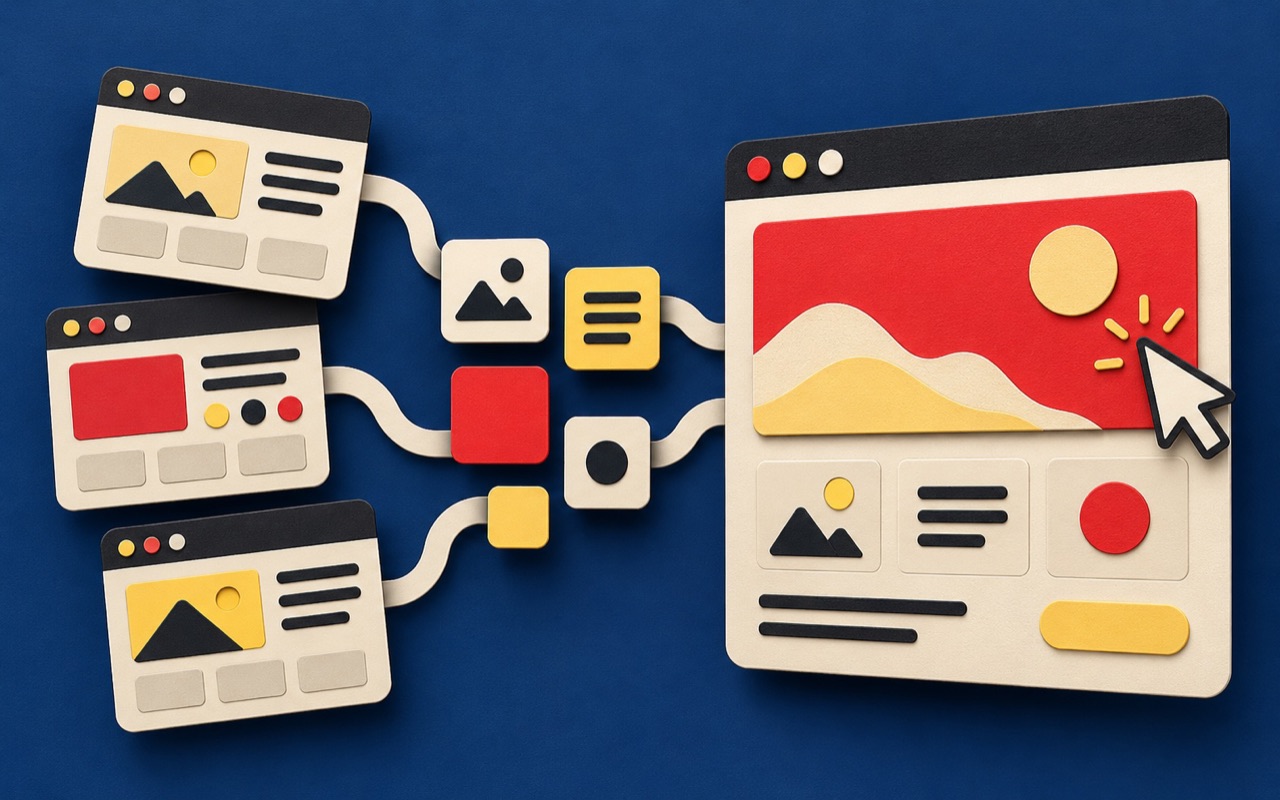
Do not begin by documenting everything. Audit the current website and products, group similar components, and identify the few patterns used most often. Agree on principles and naming before polishing documentation.
Build a small foundation, test it in a real project, then add what the team actually needs. Assign clear ownership and schedule regular review. A design system is a product for the team, so it needs maintenance, feedback, and useful release notes.
A system should still feel alive
Strong systems allow controlled variation. Campaigns can be expressive, products can have different needs, and local content can adapt, while typography, interaction, accessibility, and brand character remain recognisable.
The goal is not to make every page identical. It is to make every new decision begin from a reliable shared foundation.
Frequently asked questions
Is a design system only for large companies?
No. A small team can benefit from a lightweight system of core styles and common components. The system should match the scale and repetition of the organisation.
What is the difference between brand guidelines and a design system?
Brand guidelines define visual and verbal identity. A design system extends those foundations into reusable digital components, behaviours, code, content patterns, and governance.
How long does it take to create a design system?
A useful foundation can be created alongside a real product in several weeks. Mature systems grow over time; trying to document every possibility before use usually slows progress.