Why Website Performance Is a Design Decision
Performance starts with design choices. Learn how layout, media, typography and motion affect speed and user trust.

Speed shapes the first impression
Visitors experience loading before they experience your visual identity. A slow page makes a polished business feel unreliable. Performance affects trust, usability, conversion, accessibility, and search visibility, so it belongs in design conversations from the start.
Every asset needs a purpose
Large photographs, background video, custom fonts, scripts, and animation all carry a cost. That cost can be worthwhile when an asset communicates something essential. Remove media that adds weight without helping visitors understand or act.
Design stable layouts
Pages feel broken when elements jump while loading. Reserve space for images, embeds, banners, and dynamic content. Choose predictable component sizes and test real content early. Visual stability makes a page easier to read and prevents accidental clicks.
Treat mobile as the main test
Mobile visitors often use slower networks and less powerful devices. Test key pages on realistic hardware and connections. Prioritise useful content, keep touch targets clear, and avoid effects that make scrolling or interaction feel delayed.
Build a lighter system
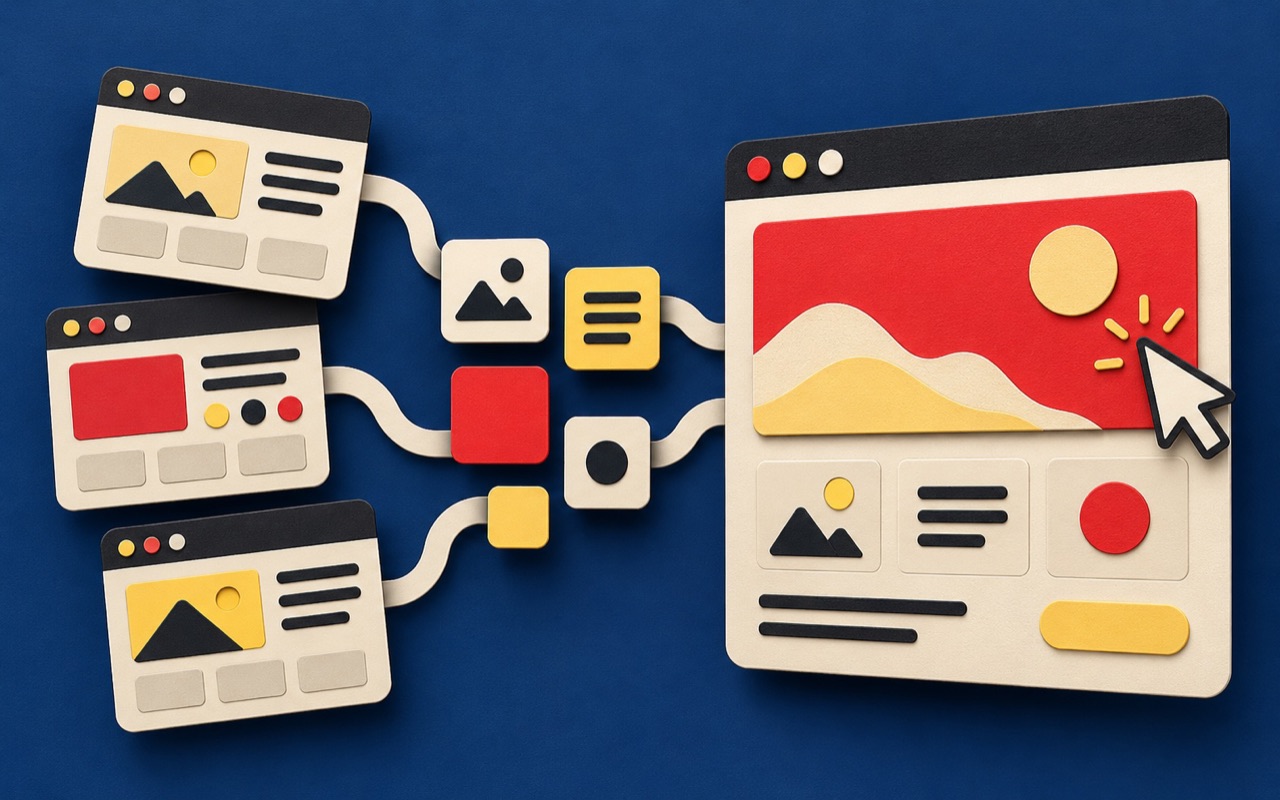
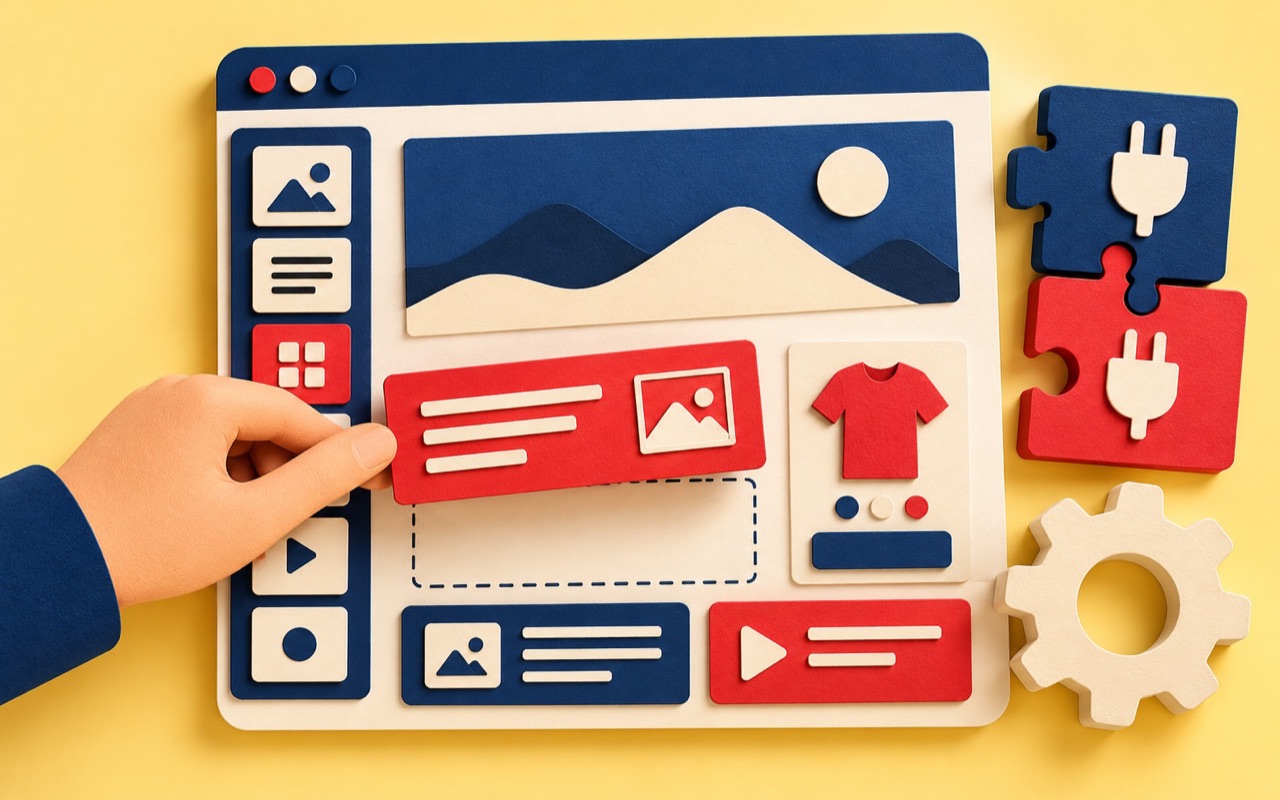
Reusable components reduce duplicate code and inconsistent styling. Use modern image formats, responsive image sizes, limited font weights, careful animation, and scripts that load only when needed. Good engineering protects the design rather than reducing it.
Measure the experience
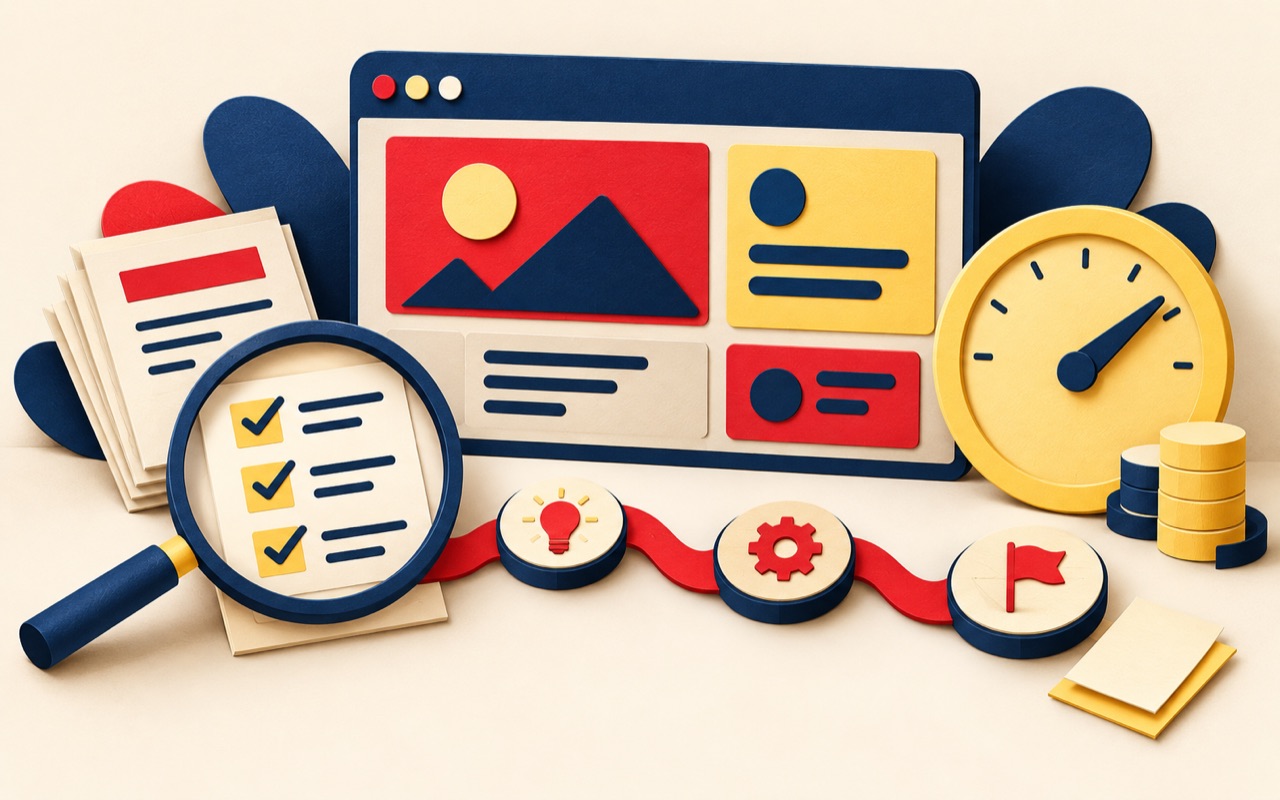
Performance scores help identify problems, but real visitors matter most. Monitor Core Web Vitals, page weight, server response, conversion, and device differences. Test after content changes because a fast launch can slowly become heavy.
Frequently asked questions
What is a good website loading time?
Aim for useful content to appear quickly and for the page to respond without delay. Core Web Vitals provide practical measurements for loading, interaction, and visual stability.
Do animations always make a website slower?
No. Small, purposeful animations can work well. Problems appear when motion uses large files, blocks interaction, or runs continuously without helping the visitor.
Can performance improve without a full redesign?
Yes. Image compression, better caching, fewer scripts, font optimisation, and cleaner templates can create major improvements without replacing the entire website.